
Help Ensure No One Leaves Prison Alone
People leaving prison face enormous challenges as they rebuild their lives. You can help provide the relationships and practical support they need to reintegrate into our community.

Returning to the community after incarceration can be overwhelming.
Many individuals face challenges securing housing, finding employment, reconnecting with family, accessing health services, and establishing a supportive social network. Each obstacle makes it harder to build the stability needed for a fresh start.
And the consequences are serious. Stigma and overwhelming obstacles make people feel forced back into old, destructive habits. As a result, nearly 50% of individuals released from prison are reconvicted within two years.
For someone trying to rebuild their life, facing all of these challenges without consistent support makes a stable future feel out of reach.
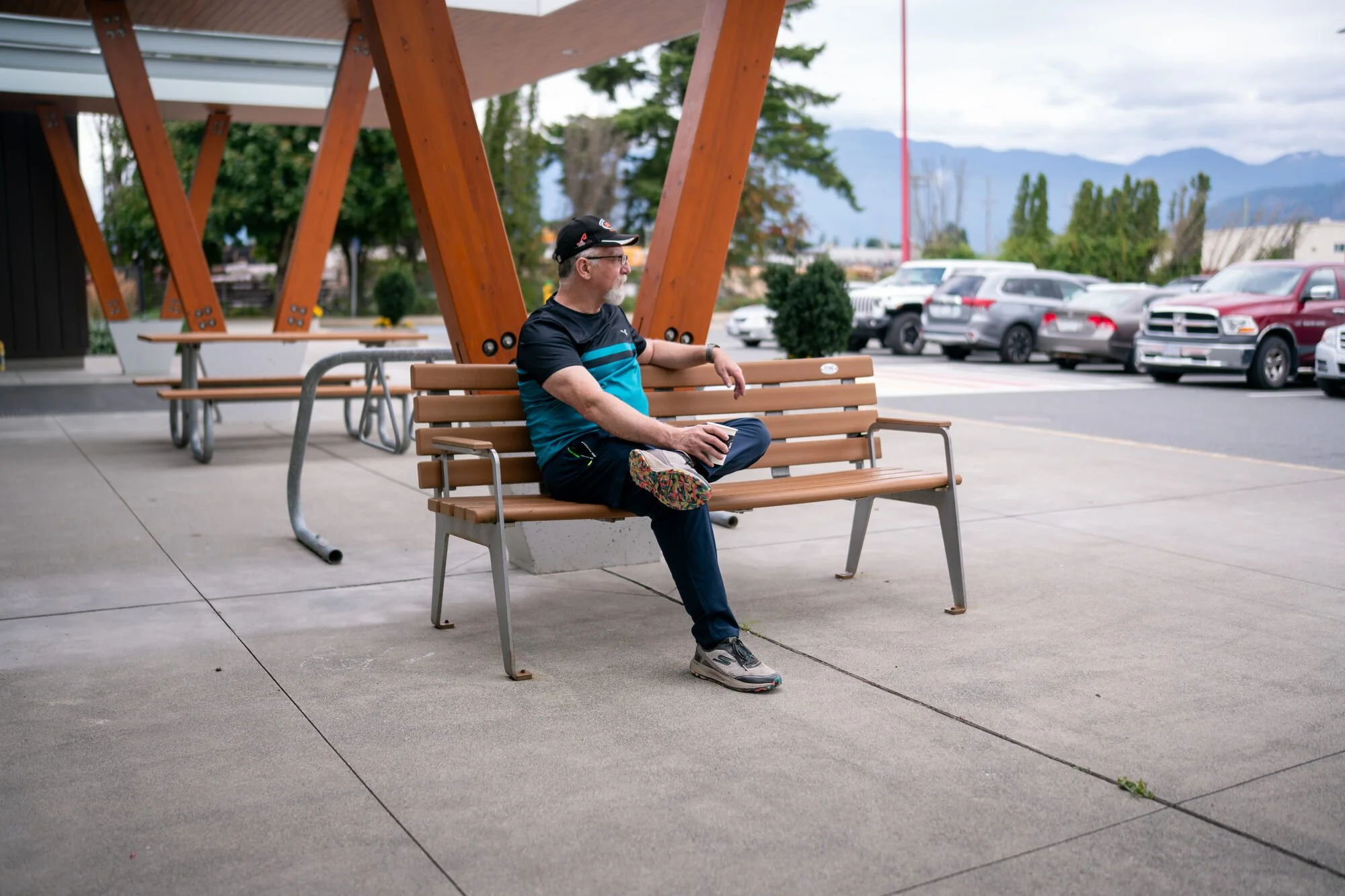
NOLA Helps People Find Their Footing
No One Leaves Alone (NOLA) connects people leaving prison with relationships, encouragement, and practical support as they reintegrate into the community.
NOLA participants receive support in:
Housing
Health and wellness
Employment
Education and life skills
Positive relationships
Volunteers walk alongside participants as they navigate these areas, helping them access resources, work through challenges, and keep moving toward greater stability and independence.
For Brandon, that kind of support helped make an overwhelming transition more manageable:
“To have somebody there to point you in the right direction is important. It helps ground you. It helps put you in the right direction.”
— Brandon, formerly incarcerated person
You Can Help Someone Keep Moving Forward
You don’t need to solve every problem someone faces after prison; just be a steady presence who helps them take the next step.
Show up consistently. Build trust by being present, listening, and offering encouragement.
Help with practical challenges. Support someone as they navigate housing, employment, appointments, community resources, and other everyday needs.
Keep the future in view. Encourage achievable goals and help someone stay focused on the life they are working to build.
If you know of an employment opportunity click the button on the right.
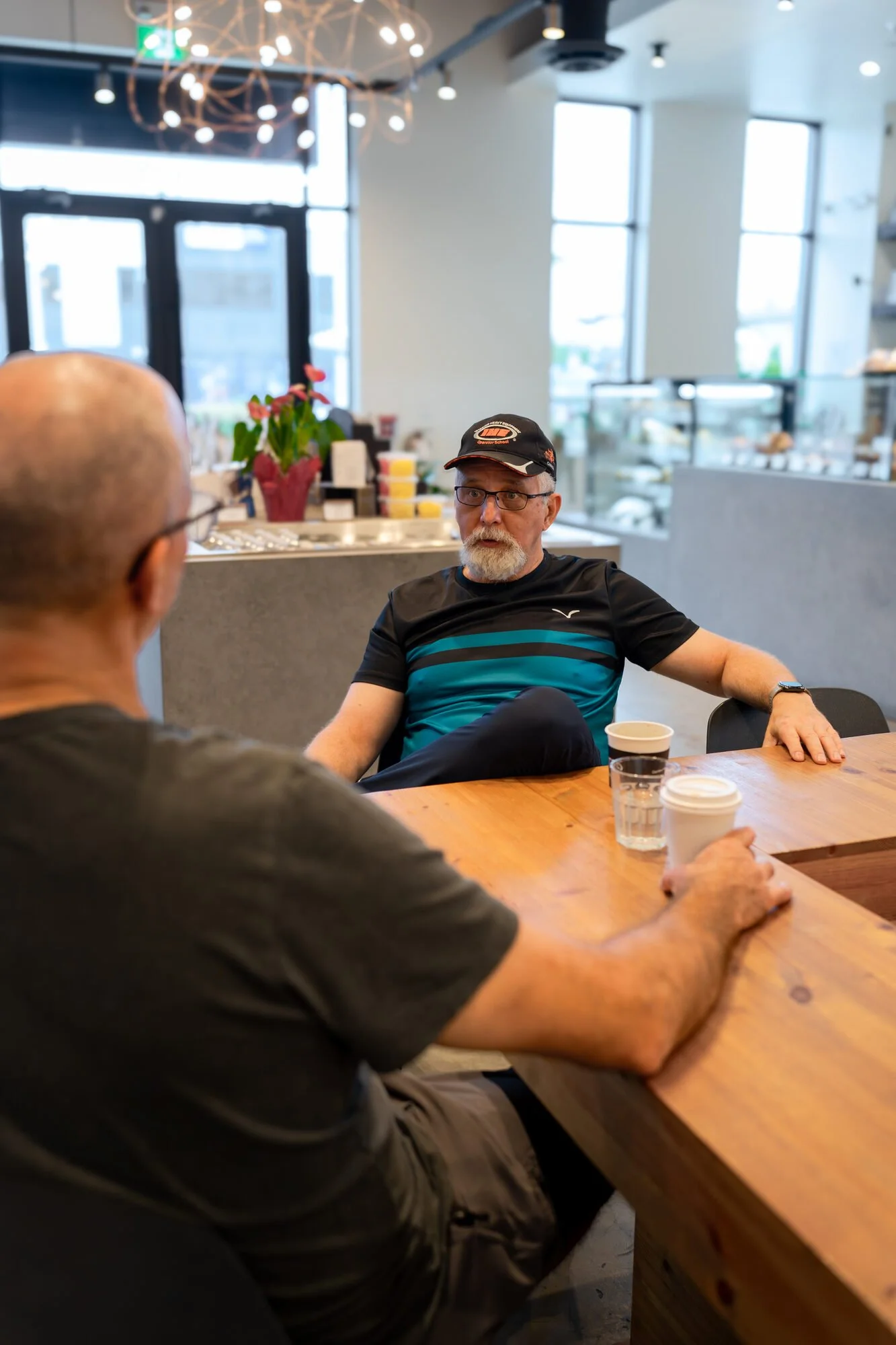
No One Should Have to Rebuild Their Life Alone
Without stable relationships and practical support, the challenges of leaving prison quickly pile up. Stigma increases isolation and keeps necessities like housing and employment out of reach. Meanwhile, old patterns become harder to escape.
But with a NOLA mentor beside them, a person leaving prison has someone to turn to as they navigate those challenges. They can build stronger connections, access practical resources, gain confidence, and keep taking steps toward a stable life in our community.
You can help make that possible.
Volunteer as a mentor today, or give now to provide reintegration support for people returning to the community.