
We Aren’t So Different: Why I Support NOLA
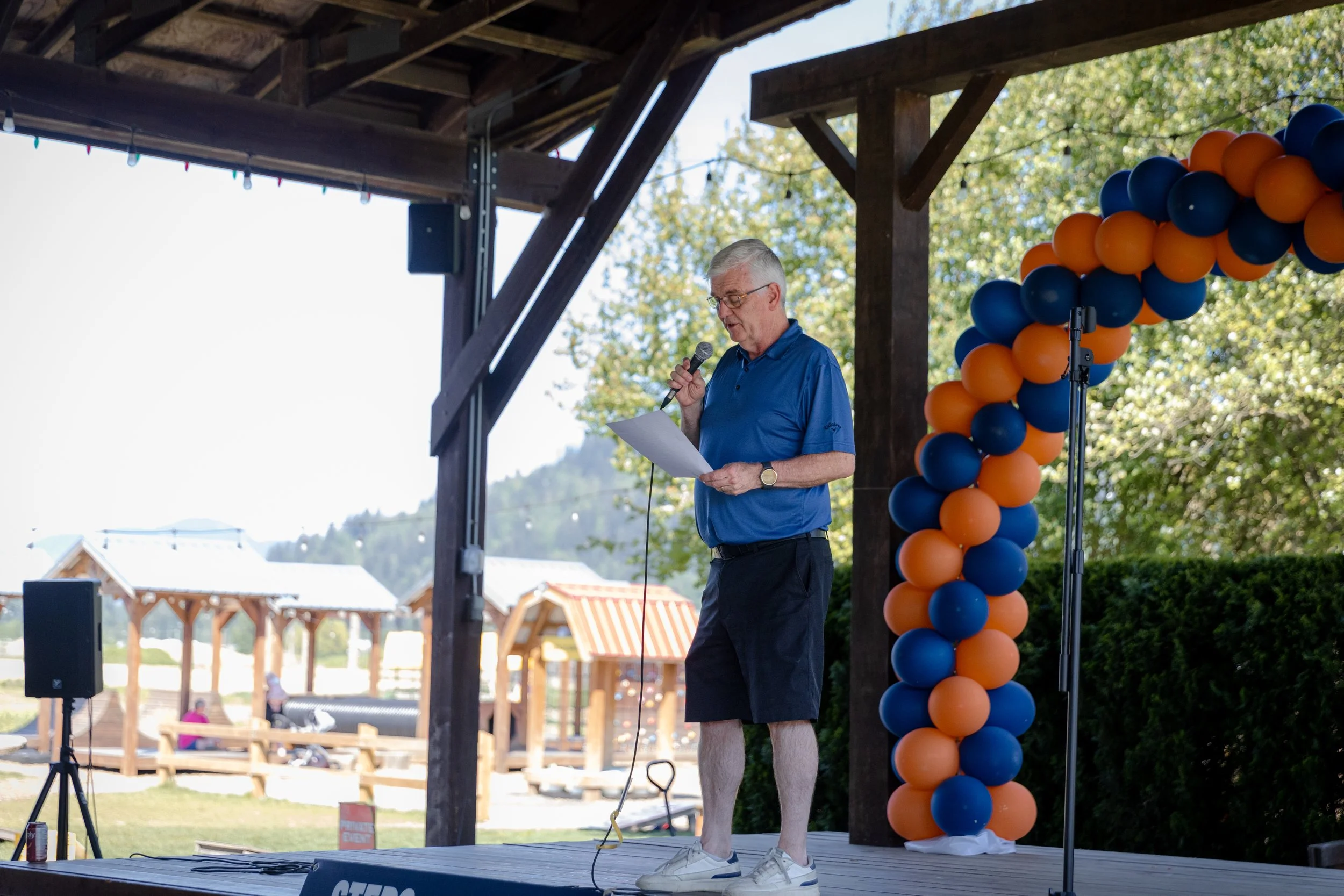
My name is Dan Rempel. When I retired after 36 years in pastoral ministry, I found myself doing a variety of work. But when the opportunity to work with M2W2 came up, it felt like it fit with the calling that had shaped much of my life.
I already knew about M2W2 through church connections and my brother-in-law’s involvement. I had seen enough of the work to know that it mattered. M2W2 comes alongside people who are often forgotten, misunderstood, or written off. When I applied, I had a sense that this would be a place where my years of ministry, listening, walking with people, and offering grace could be used in a new way.
I now serve as the Case Manager for the No One Leaves Alone (NOLA) program. I work with people on parole and oversee the volunteers who walk alongside people as they move out of prison and back into the community.
Why Reintegration Matters
What drew me to NOLA is that it’s built around the belief that people do better when they aren’t left to figure everything out alone.
When someone leaves prison, there is often a genuine desire to change. Most people I meet want something better: stability, purpose, healthier relationships, and a chance to live differently. But wanting change and knowing how to build a new life are two very different things.
Many people leaving prison face challenges that would overwhelm almost anyone. They need a place to live. They have to find work. They may be dealing with health issues, addiction, trauma, broken family relationships, or the loneliness that comes from being separated from ordinary life for years. Some have been in prison for decades. The world they return to is not the same one they left. New developments that feel normal to the rest of us can feel alien and insurmountable to someone who has been away for decades. It takes a steady, calming presence to help them see the hopeful future beyond these speedbumps.
We Are Not So Different
The longer I have worked with people leaving prison, the more I have come to see something that is easy to overlook: we are not so different.
Yes, the men and women we walk with have made poor choices, some of which caused real harm. We don’t pretend otherwise. But when you listen to their stories, you often discover that many of them were shaped by circumstances that would have deeply affected any of us.
I think of one man who was left alone at the age of 9. He moved into foster care and was institutionalised as a child. The people who were supposed to care for him hurt him instead. Later, a street gang became more of a family to him than his own family had ever been. When that is the community that welcomes you, protects you, and gives you a place to belong, it isn’t hard to see how a young person can begin making destructive choices.
I have often wondered what would have happened if someone like him had been surrounded by a caring community much earlier. He still would have made mistakes and learned lessons, as we all do, but perhaps his path wouldn’t have led to incarceration.
That realisation has changed the way I see people. The men and women coming out of prison are people who wanted to belong somewhere, be seen, and matter. Many of them didn’t have the support, guidance, or stable relationships they needed at the moments when those things could have changed the direction of their lives.
The Heart of NOLA
The heart of NOLA is to provide that support network now, because it is not too late for change. Second chances are real, and I have seen what can happen when someone has a steady presence by their side.
NOLA volunteers don’t come in to take over someone’s life. We don’t set goals for people or tell them who they have to become. Instead, we help them clarify what they want to work toward, and then we walk beside them as they take those steps. We ask questions, listen, and help them think through decisions as they pursue the goals they named for themselves.
That kind of support matters because rebuilding a life is rarely simple. Someone may want to stay out of prison, but they feel pulled back toward old patterns, relationships, ways of handling stress, or survival methods. They may know they need a healthier community, but not how to find it. They may want employment, but they may lack confidence, references, training, or transportation. They may want to repair relationships, but those relationships may be strained or broken.
In ministry, I spent years walking with people who were stuck in one place or another. One big truth I walked away with is that we all, whether we have broken the law or not, need grace. We all need people who can speak truth with compassion. We all need encouragement, accountability, and the kind of presence that reminds us we are not beyond hope.
We Need Volunteers
One of the things that surprised me when I came to M2W2 was the change in volunteer numbers over the years. Once, there were more than 300 volunteers. Today, we have far fewer.
There are many reasons for that. COVID changed volunteering patterns. Many longtime volunteers have aged. Households are busier now with more family members working and carrying heavier schedules. Culture has shifted, and it isn’t always easy to find people who feel they have time to serve.
But the need is still very real. Men and women are coming out of prison looking for support, and we need people who are willing to give a couple of hours a week to help someone take the next step.
What Volunteering Looks Like
Volunteers aren’t thrown into NOLA without preparation. We have a vetting and training process that helps determine if the program is right for them and helps them understand boundaries, expectations, and what a mentoring relationship will look like. You don’t have to know all the answers. You just need to be present, steady, humble, and willing to care.
When a volunteer is ready, we introduce them to someone who has signed up for the program. They meet, learn a bit about each other, and begin to see what the next few months could look like. From there, the mentoring relationship is about listening and guiding. There is no judgment or forced decisions, only non-threatening questions that help a person sharpen their thinking. Often, it’s as simple as reminding the incarcerated person of the life they want to build and asking whether their actions are in line with achieving it.
Volunteers usually commit to three to twelve months, meeting for about one to two hours a week. It’s a commitment that changes lives—both the mentor’s and the mentee’s—in ways you wouldn’t think possible.
A Simple Invitation
If you have ever wondered whether you could make a difference in the life of someone leaving prison, I invite you to consider becoming a mentor with M2W2. And if you are unable to volunteer right now, you can still support this work by donating so mentors can continue walking with men and women as they rebuild their lives after incarceration.
When someone has a caring person beside them, they begin to believe that a different future is possible.