
Why 50% Reoffend, and What Can Change That
Leaving prison sounds like the very definition of freedom. However, for many people leaving incarceration, it isn’t the end of their struggle but the beginning of a new one.
People leaving incarceration don’t step into a clean slate. They step into the pressure of finding housing, securing identification, looking for work, rebuilding damaged relationships, managing trauma, and making wise decisions in an unfamiliar world, all while carrying the stigma of their past. When those pressures hit all at once, it doesn’t take long for hope to give way to survival mode.
This is where recidivism, the cycle of reoffending after release from prison, begins.
Why So Many End Up Back In Prison
Many people leaving incarceration want a different life. They want to work, reconnect with family, and prove they are more than the worst thing they have done. But wanting a different future is not the same as knowing how to build one.
The first 72 hours after release can be especially fragile. A person may move into a transition house, surrounded by instability, while also thinking about food, bills, employment, mental health, and which relationships are safe to return to. The weight of it all can be overwhelming. And when people feel overwhelmed, they often reach for what is familiar, even when that familiarity is destructive. That can mean turning to drugs, making desperate choices, and ending up back in prison.
There are also longer-term barriers that make a new start much harder than many people realise. Stigma follows people long after release. Family relationships are often strained, and loneliness runs deep. Housing is hard to secure, and employers may be hesitant to give someone a chance. Even the most basic systems, including forms, appointments, and identification, can feel impossible to navigate without help.
The Deeper Problem
Practical challenges are only part of the story. Many people leaving incarceration carry trauma that existed before conviction and was intensified by prison. Untreated mental health struggles, chronic stress, and spiritual emptiness can all shape what happens next. If those deeper wounds go unaddressed, it becomes much harder to build stability on the outside.
That’s why recidivism isn’t just about crime or consequences. It’s about people trying to reenter society while carrying pain, isolation, and very little trust. It’s about whether anyone will stand with them long enough for change to take root.
What Actually Helps
M2W2’s answer isn’t a quick fix. It’s a relationship.
Our model begins with prison mentorship and continues into the community through No One Leaves Alone (NOLA). Mentorship matters because it provides what many people have never had in a healthy form: consistency, accountability, encouragement, and someone safe to call when life begins to spiral. Healthy relationships aren’t a nice addition; they're the foundation of successful reintegration. A mentor helps someone think clearly, set goals, navigate systems, and choose a different path when old patterns start calling them back.
M2W2 focuses on support in five key areas: housing, health, education, employment, and relationships. We also offer work experience through the Hidden Treasures thrift store and the woodworking program, helping people regain purpose, learn skills, and prepare for employment in practical ways.
What Change Can Look Like
Real change isn’t always dramatic. Often, it looks like someone staying engaged after a setback. It looks like rebuilding trust with a child, a spouse, a sibling, or a parent. It looks like showing up to work, asking for help, and beginning to believe that the past doesn’t have to determine the future.
As Executive Director of M2W2, I’ve been blessed with countless stories of growth and restoration over the years. One that captures the heart of this work is from a man who had spent years in prison and was nearing the end of his life in the hospital. He had no close family or friends by his side, but he asked for his M2W2 mentor. That mentor came, sat with him, prayed with him, and remained with him in his final hours. It’s a powerful picture of what restoration can mean. Not simply reduced numbers on a chart, but faithful presence in the life of someone who might otherwise have died alone.
I’ve also seen what reintegration can look like through the Hidden Treasures thrift store. After incarceration, a man got a job there in the electronics department. There, he isn’t treated as a problem to manage; he is trusted with meaningful work, welcomed by volunteers, and given a renewed sense of purpose. He is beginning to see that he has something to contribute. That matters more than many people realise.
Why This Matters To All Of Us
When recidivism remains high, the cost is paid by more than the person returning to prison. Families are hurt, communities are less safe, and public systems carry a growing strain. And the cycle repeats; if nothing changes, more people reoffend, more harm is done, and the burden only grows heavier.
But when someone has support, the outcome begins to change. A mentor can’t erase the past, but they can help someone face the future with courage, structure, and hope. That’s the kind of change that benefits everyone.
Take A Step That Helps Change The Story
If recidivism is going to change, it will only happen when communities decide that people leaving prison shouldn’t have to start over alone.
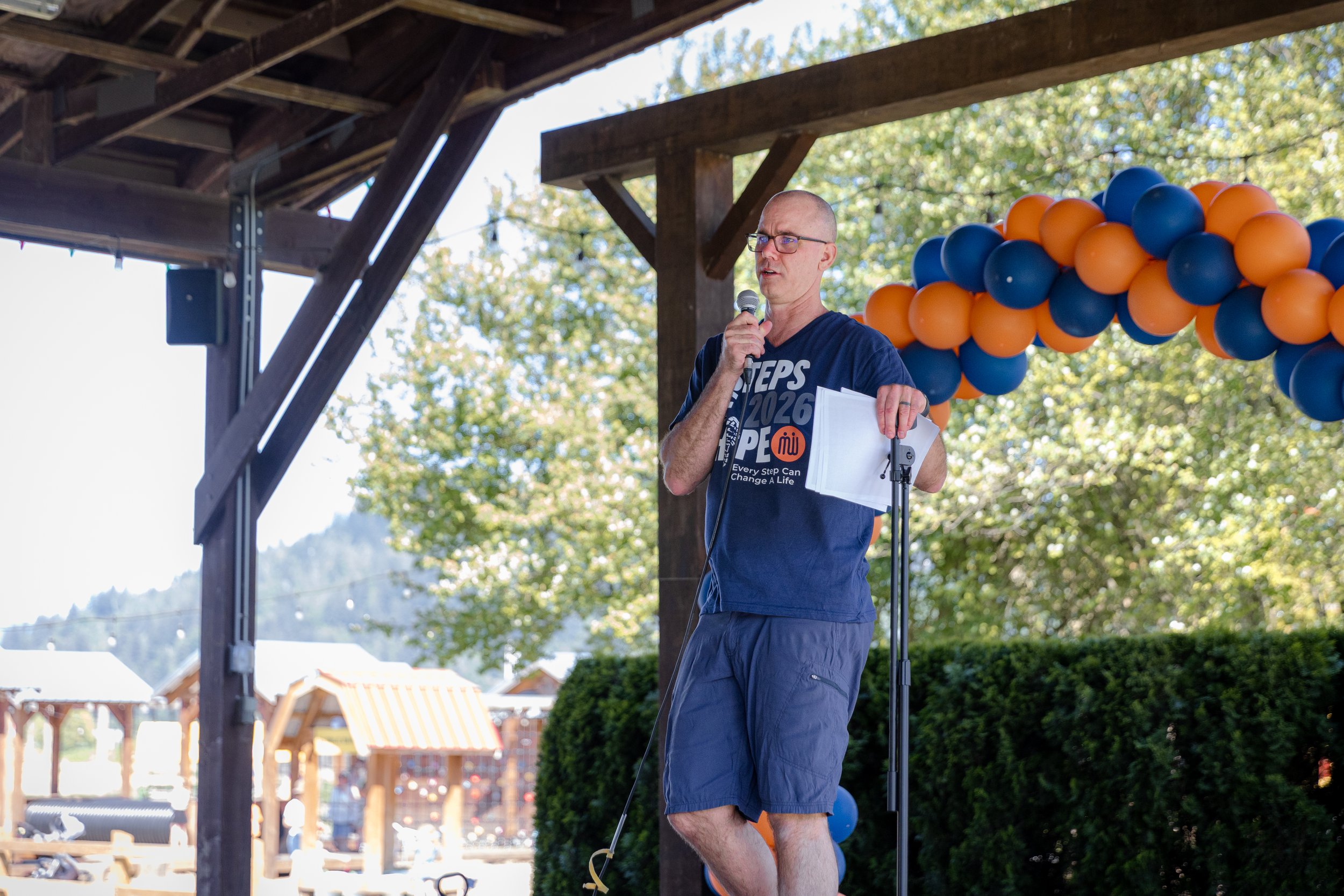
That’s why, throughout May of 2026, we’re raising $50,000 to support M2W2’s programs. We’re already more than halfway to our goal thanks to the community’s participation in our Steps of Hope walk. The walk was a meaningful step toward reaching more people in incarceration and helped more people see the impact of prison ministry.
Now, we invite you to help us close the gap. Your gift helps expand mentorship, strengthen reintegration support, and make more stories of restoration possible. It is a practical way to stand with people at one of the most vulnerable moments of their lives.
Give today and help turn second chances into real change.